Great events don’t happen by accident. They happen when timing, relevance, and data work together.
Hosting successful events isn’t just about strong content or great speakers. Timing plays a major role in whether people show up, stay engaged, and take the next step after your event. Whether you’re hosting in-person educational seminars or virtual webinars, planning dates with intention can significantly improve attendance and overall results.
An effective event marketing strategy starts long before invitations go out. It begins with understanding when your audience is most receptive, how often you should engage them, and which topics align with their seasonal priorities.
This blog explores proven seminar planning strategies and webinar scheduling best practices to help you plan smarter, not harder, throughout the year.
Why Timing Matters More Than You Think
Most event strategies fail before the invitation is ever sent. When it comes to maximizing attendance for in-person educational seminars, date and time selection is one of the most influential factors, and one of the easiest to get wrong.
When timing and topic align, events feel relevant and not promotional. That’s when people show up.
The Best Days & Times to Maximize Attendance
Dinner Seminars Consistently Outperform
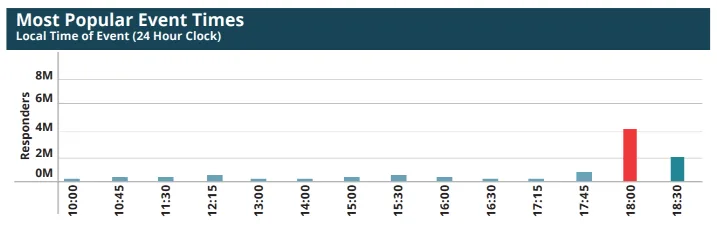
Across financial and retirement-focused events, evening dinner seminars outperform lunch events in both attendance and engagement. Why? There are no workday conflicts, guests are easier to bring, and attendees are more relaxed and focused.
Optimal start time: 🕕 6:00–7:00 PM. Early enough to avoid fatigue, late enough to feel intentional.
Retiree-Friendly Timing Increases Show Rates
For retiree audiences, earlier doesn’t mean less effective; it means more accessible. Early time slots align with retiree routines, reduce concerns about driving after dark, and attract highly engaged planners.
High-performing start times: 🕟 4:30 PM & 🕠 5:30 PM
The Best Days of the Week
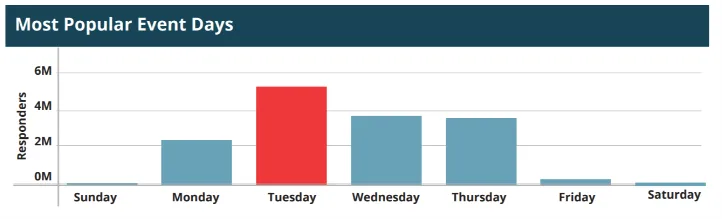
Top-performing days: Tuesday & Thursday evenings
These days sit comfortably in the weekly routine and avoid travel days, weekend plans, and last-minute cancellations. Wednesday evenings can also perform well when needed, but typically see slightly lower turnout.
One Topic. Two Events. Better Results.
Instead of forcing all prospects into one date, top-performing marketers often host two identical dinner events. This approach increases total reach, reduces scheduling friction, produces higher combined attendance, and improves follow-up flexibility.
More options = more people saying yes.
From a performance standpoint, dinner seminars scheduled midweek evenings routinely produce higher show rates and stronger engagement than daytime alternatives. When date, time, and audience preferences are aligned, educational seminars feel intentional, accessible, and worth attending, rather than optional.
Want the Data Behind High-Performing Event Dates and Times?
This isn’t guesswork. Our white paper breaks down attendance trends, show-rate performance, and scheduling insights backed by real event data.
Building Momentum With the Right Event Cadence
One of the most effective yet underutilized strategies in seminar marketing is establishing a regular, intentional event cadence. Hosting events as part of an ongoing series is far more effective than relying on one-off events.
What Determines the Right Event Frequency?
There is no one-size-fits-all event schedule. The most effective cadence depends on your audience, location, expertise, and internal capacity. Businesses that rely on educational events see the strongest results when frequency is intentional, sustainable, and aligned with how prospects make decisions.
Your Target Audience
Different audiences engage with events at different rhythms based on urgency, complexity, and life stage.
Retirees & Pre-Retirees
(Financial advisors, Medicare agents, estate planning attorneys)
- Monthly or quarterly events perform well
- Strong interest in ongoing education and updates
- Topics often evolve as decisions approach
Working Professionals & Families
(Medical professionals, attorneys, benefit specialists)
- 1–2 events per year may be sufficient
- Best for foundational education or awareness-building
- Attendance increases when tied to specific concerns or milestones
Business Owners & Executives
(Tax professionals, financial advisors, legal, and consulting firms)
- Quarterly events perform well
- Most effective when aligned with tax deadlines, compliance changes, or planning cycles
Your Market & Location
Geography plays a major role in how often you can host successful events.
Urban & High-Density Markets
- Larger, renewable prospect pools
- Monthly events are often sustainable
- Allows for topic variation without audience fatigue
Rural or Smaller Markets
- More limited prospect pools
- Quarterly or bi-annual events often perform better
- Allows time to refresh audiences and maintain strong attendance
Content Focus & Level of Specialization
How narrow or broad your educational focus directly affects frequency.
Broad Educational Topics
(General financial education, health awareness, legal basics)
- Benefit from wider spacing
- Prevents repetition and topic fatigue
- Works well for introductory or awareness-driven events
Niche or Specialized Topics
(Medicare planning, retirement income, estate strategies, specialized medical care)
- Can support more frequent events
- Allows for deeper dives and timely updates
- Encourages repeat attendance from engaged prospects
Available Resources & Follow-Up Capacity
Event frequency should match what your team can realistically support. The right cadence is one you can:
- Promote consistently
- Execute smoothly
- Follow up properly
Hosting more events without strong promotion or follow-up weakens results. A slower, well-executed schedule will always outperform an aggressive calendar that cannot be sustained. Consistency done well beats volume every time.
Recommended Event Frequencies
- Monthly: Urban markets, niche specialties, retirees, Medicare-focused education
- Quarterly: A strong balance for most businesses using educational events
- Bi-Annual / Annual: High-effort, broad educational events or resource-limited teams
Consistency + Follow-Up = Conversions
Events don’t end when the room clears. Strong follow-up:
- Reinforces your value
- Converts interest into action
- Turns attendance into relationships
Without it, even full rooms fall short.

Aligning Topics with Seasonal Decision-Making
Timing alone isn’t enough. Your topic must match what your audience is already thinking about.
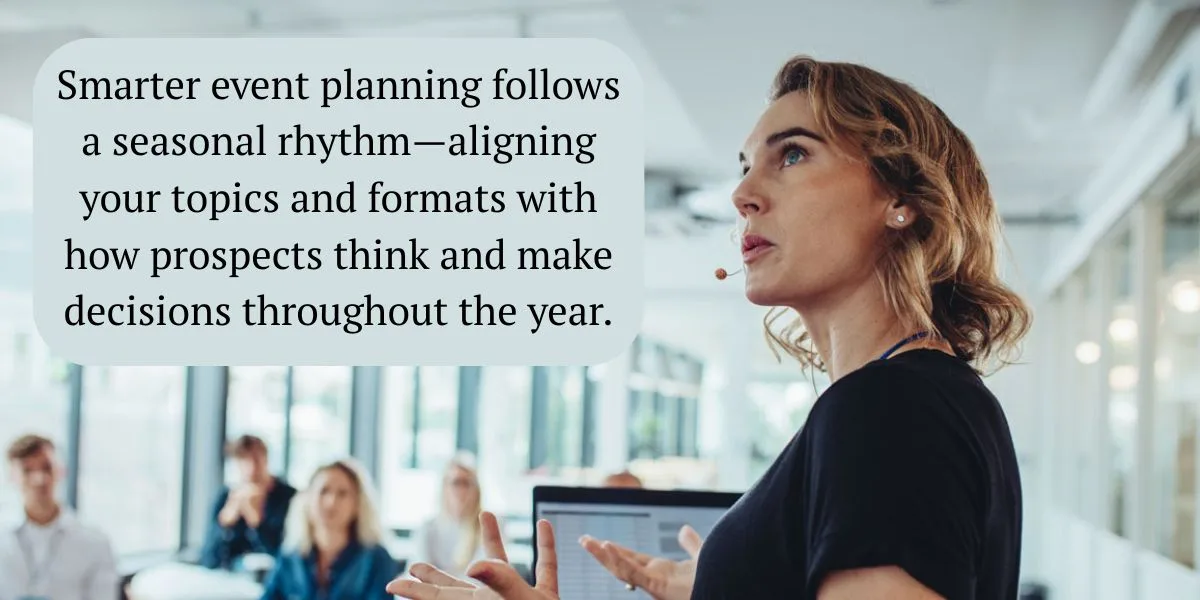
Most important decisions — financial, healthcare, legal, and lifestyle — follow predictable seasonal patterns. Tax deadlines, enrollment periods, annual reviews, and year-end planning naturally shape what prospects care about and when they are ready to act.
When your event topics align with these moments, attendance increases, engagement improves, and follow-up conversations happen more naturally.
A Seasonal Framework for Smarter Event Planning
Q1: January–March: Assessment, Reset & Preparation
The first quarter is driven by reflection, organization, and preparation. Many people are reflecting on the past year as they set priorities for the year ahead.
Best formats:
- In-person seminars
- Short, focused webinars
High-performing topics:
- Tax planning and preparation strategies
- Retirement income or benefit reviews
- Medicare coverage reviews and changes
- Estate planning updates or document organization
- Healthcare planning and preventative care education
This quarter works especially well for events that help prospects get organized and gain clarity early in the year.
Q2: April–June: Long-Term Planning & Education
As deadlines pass, attention shifts toward broader planning and education. Audiences are more open to learning and less driven by urgency.
Best formats:
- Educational workshops
- Extended seminars
High-performing topics:
- Long-term financial or retirement planning
- Estate planning fundamentals
- Social Security and benefits education
- Healthcare costs and long-term care planning
- Preventative health, wellness, or treatment options
This is an ideal time for deeper education and interactive formats that encourage questions and discussion.
Q3: July–September: Mid-Year Reviews & Strategic Adjustments
Mid-year is a natural checkpoint. As routines return after summer travel, people begin reassessing progress and making adjustments before year-end.
Best formats:
- Dinner seminars
- Webinars
High-performing topics:
- Mid-year financial or retirement checkups
- Medicare education and healthcare planning
- Legal and estate planning reviews
- Tax-smart planning before year-end
- Preparing for major life or coverage transitions
This quarter is strong for events positioned as proactive check-ins, helping prospects course-correct while there’s still time to act.
Q4: October–December: Decisions, Deadlines & Year-End Action
The final quarter is the most action-oriented time of the year. Deadlines and enrollment periods create urgency and motivate attendance.
Best formats:
- Targeted seminars
- Concise, decision-focused webinars
High-performing topics:
- Year-end tax and financial strategies
- Medicare enrollment education and updates
- Estate planning and legacy considerations
- Charitable giving and philanthropic planning
- Year-end healthcare or benefits decisions
Events in Q4 should emphasize clarity, deadlines, and next steps to help prospects make informed decisions before the year closes.
Turning Your Event Calendar into a Growth Engine
When your event topics align with seasonal priorities, your calendar becomes more than a schedule. It becomes:
- A planning tool for prospects
- A natural conversation starter
- A system for consistent, intentional engagement
Instead of repeating ideas, each event builds on the last by creating momentum, reinforcing expertise, and supporting long-term growth across your business.
Planning Ahead for Smarter Growth in 2026
Successful business owners don’t fill calendars — they build systems. How? By:
- Choosing the right days and times
- Spacing events intentionally
- Aligning topics seasonally
- Leveraging data to guide decisions
Seminars and webinars become a repeatable growth engine, not just isolated efforts. Now is the time to take what you’ve learned, apply it with purpose, and build an event strategy designed not just for attendance, but for sustainable growth in the year ahead.
Let’s Build Your Event Strategy Together
Don’t leave your growth to chance. Our team will work with you to optimize timing, topics, and follow-up strategies, turning your seminars and webinars into consistent growth opportunities.