
Listen to this Article
If you’re wondering how to grow your small business, the answer isn’t just “market more.” It’s about intentional marketing strategies and building a predictable system for customer acquisition, retention, and long-term growth.
Small business growth doesn’t happen by accident. It happens when you intentionally increase brand visibility, generate qualified leads, convert prospects efficiently, and retain customers for lifetime value.
In competitive industries, growth requires more than hope. It requires strategy.
So how do you grow your small business and become a true customer acquisition magnet? Let’s break it down.
What Is Customer Acquisition?
Customer acquisition is the process of bringing new customers to your business. The goal of customer acquisition is to provide a steady stream of customers. As a result, these customers will create revenue and awareness. Not only that, but through retention, they will eventually become loyal customers who will make repeat purchases. This is important because 65% of a company’s business comes from existing customers.
But modern customer acquisition strategy goes beyond just “getting leads.” It includes:
- Lead generation strategies for small businesses
- Conversion rate optimization
- Customer experience marketing
- Retention and loyalty programs
- Multichannel marketing efforts
If your goal is sustainable small business growth, acquisition and retention must work together. Because here’s the reality: acquiring new customers is important, but retaining them is what fuels profitability.
Turn Strategy Into Systems: Download the Customer Acquisition Guide
Knowing how to grow your small business is one thing. Building a repeatable system to attract and convert customers is another. Our Customer Acquisition Guide breaks down lead generation, retention strategies, and multichannel marketing tactics into clear, actionable steps. Download the guide and start building predictable growth.
Why Customer Acquisition Is Critical for Small Business Growth
If you’re serious about learning how to grow your small business, customer acquisition must be a priority. Without a steady flow of qualified leads:
- Revenue becomes inconsistent
- Marketing ROI becomes difficult to measure
- Growth stalls
Strong acquisition systems help you:
- Create predictable revenue
- Increase brand awareness
- Build authority in your industry
- Improve long-term customer lifetime value
By mastering customer acquisition, your small business can generate substantial revenue and traction for outside parties. It’s all about getting leads and converting them into loyal customers. Growth isn’t about random spikes. It’s about repeatable momentum.
Step 1: Increase Brand Awareness Strategically
If customers don’t know you exist, they can’t buy from you. Brand awareness is one of the most powerful small business marketing strategies because familiarity builds trust. To grow your small business effectively, focus on:
Develop a Clear Brand Voice
Consistency builds recognition. Your messaging should reflect your mission, expertise, and personality across all platforms.
Strengthen Your Digital Presence
- SEO for small businesses
- Local search optimization
- Consistent social media marketing
- Educational blog content
When prospects search for solutions, your business should show up clearly and confidently.
Leverage Referral Marketing
Referral programs remain one of the highest-converting customer acquisition strategies for small businesses. People trust recommendations. Brand visibility reduces friction in the buying process. And reduced friction increases conversions.

Step 2: Focus on Customer Retention and Loyalty
If you want to grow your small business sustainably, retention matters just as much as acquisition. Customer retention strategies improve profitability because:
- Returning customers spend more
- They convert faster
- They refer others
Consider implementing:
- Loyalty or rewards programs
- Follow-up email marketing campaigns
- Customer appreciation incentives
- Educational webinars or in-person events
Retention reduces your cost per acquisition and improves overall marketing efficiency. Growth is easier when your existing customers advocate for you.
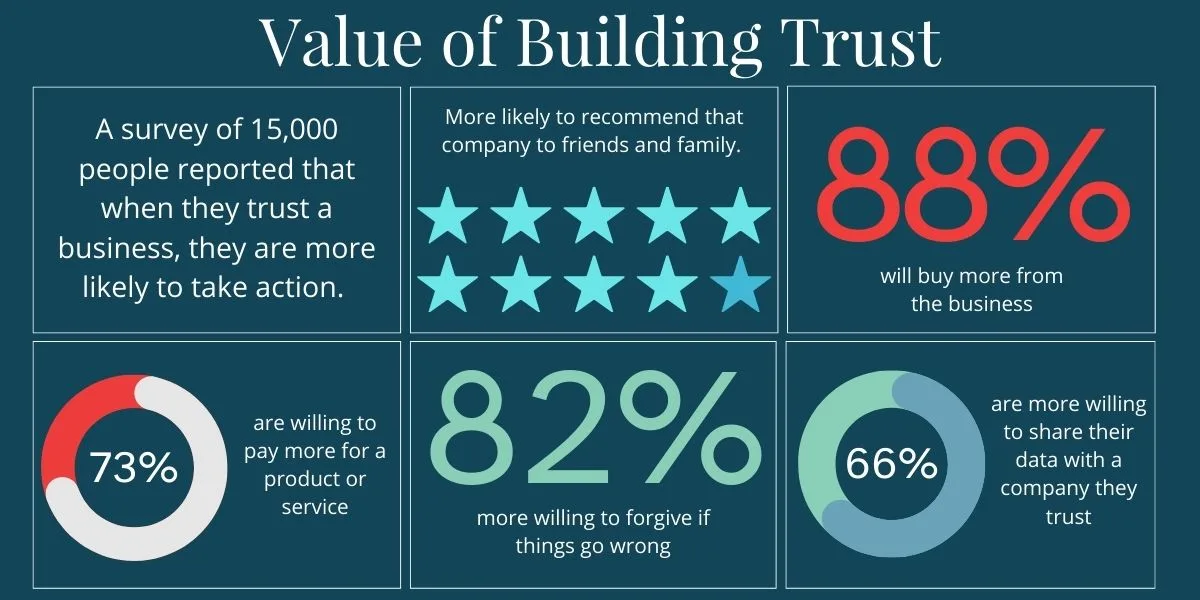
Step 3: Build Trust Through Transparency and Consistency
Trust accelerates growth. Without trust, marketing efforts become expensive and ineffective. To build trust:
- Deliver on your promises
- Maintain consistent messaging
- Provide clear pricing and value
- Offer strong customer service
Social proof also plays a major role in small business growth. Testimonials, case studies, and reviews help reduce buyer hesitation. When customers trust you, customer acquisition becomes easier, and referrals increase naturally.
Step 4: Use Multichannel Marketing to Generate Leads
If you’re serious about how to grow your small business fast, relying on one marketing channel is risky. Modern small business growth strategies include:
- Content marketing
- Email marketing campaigns
- Search engine marketing (SEM)
- Social media advertising
- In-person seminars and webinars
- Direct mail marketing
- Paid lead generation
The key is integration. Multichannel marketing ensures your audience sees your brand consistently across platforms. Repetition increases credibility. Credibility increases conversions.
Step 5: Measure and Optimize Your Growth Strategy
You can’t grow what you don’t measure. Track metrics like:
- Cost per lead
- Customer acquisition cost (CAC)
- Conversion rates
- Customer lifetime value (CLV)
- Marketing ROI
Data-driven marketing allows small businesses to optimize performance and scale what works. Growth isn’t about doing more. It’s about doing what works more often.
Ready to Grow Your Small Business? Let’s Build the Right Strategy
If you’re serious about scaling your small business, a customized customer acquisition strategy makes all the difference. Schedule a strategy call with our team to evaluate your current marketing efforts, identify growth gaps, and outline a clear path forward. Growth works best when it’s intentional.
Are You Ready to Grow Your Small Business?
If you’re actively researching how to grow your small business, the next step isn’t just implementing tactics; it’s building a coordinated strategy. Customer acquisition, retention, and marketing integration must work together. Small businesses that grow consistently don’t rely on luck. They rely on systems. Start by asking:
- Is your brand visible where your audience is searching?
- Are you converting leads efficiently?
- Are you retaining customers intentionally?
- Are you tracking performance data?
Answer those honestly, and your growth roadmap becomes clear.
Updated for 2026: This article was refreshed on February 5, 2026, to include updated customer acquisition strategies and data-driven marketing insights.