Updated November 9, 2026 — This article has been refreshed with current population, economic, and workplace data, along with updated guidance on Spanish-language search, bilingual intake, and lead generation for law firms.
Why Law Firms Should Reach Hispanic and Spanish-Speaking Clients
Hispanic Americans are one of the largest and fastest-growing groups of potential legal clients in the United States, yet many law firms still market almost entirely in English. For personal injury, workers’ compensation, and Social Security Disability firms in particular, that gap can mean missing a large share of people who need legal help and are actively looking for it.
Reaching this audience well takes more than translating a few web pages. It requires understanding how Hispanic and Spanish-speaking consumers search for legal help, what builds their trust, and how your firm can respond in the language they prefer. Below, we look at why this audience matters, how language preferences vary, and what an effective bilingual lead generation strategy looks like today.
The Hispanic Market by the Numbers
The size of this audience alone makes it difficult to overlook. According to the U.S. Census Bureau, the nation’s Hispanic population reached 70.1 million as of July 1, 2025, making it the largest racial or ethnic minority group at 21% of the total population. The population is also young, with a median age of 31.1 in 2025.
The economic picture is just as significant. The 2025 U.S. Latino GDP Report found that the total economic output of Latinos living in the United States reached $4.1 trillion in 2023, up from $2.8 trillion in 2019 and $1.6 trillion in 2010. Consumer spending has grown alongside it, as Latino spending reached $2.5 trillion in 2023, and Latinos’ share of total U.S. consumption rose from 9.4% in 2012 to 13.2% in 2023.
For law firms, these numbers represent more than buying power. They reflect a large, working-age population that drives, commutes, works in physically demanding jobs, and faces the same legal challenges as every other community, often with fewer firms competing for their attention in their preferred language.
Why This Audience Matters for Injury and Workers’ Compensation Firms
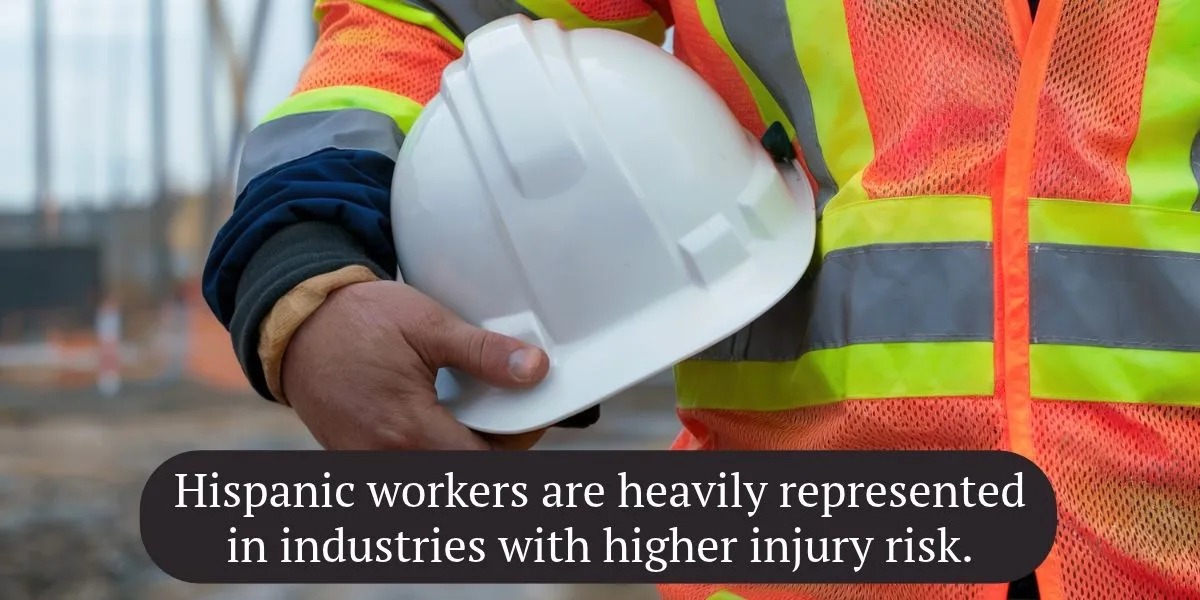
Hispanic workers are heavily represented in industries with higher injury risk, including construction, agriculture, transportation, and warehousing. Workplace safety data reflects that reality. The National Safety Council notes that 2024 was the eighth consecutive year in which Hispanic or Latino workers had the highest workplace death rate of any group, at 4.3 per 100,000 full-time equivalent workers. In total, Hispanic or Latino workers accounted for 24% of workers killed on the job in 2024.
Fatal injuries are only part of the picture. For every workplace death, many more workers suffer injuries that keep them off the job, lead to medical bills, or raise questions about workers’ compensation benefits. The same is true on the road, where auto accidents affect every community. When an injured worker or accident victim does not know their rights, or cannot find a firm that explains them clearly in Spanish, a valid claim may never be pursued.
Understanding Language Preferences: Bilingual Does Not Mean One-Size-Fits-All
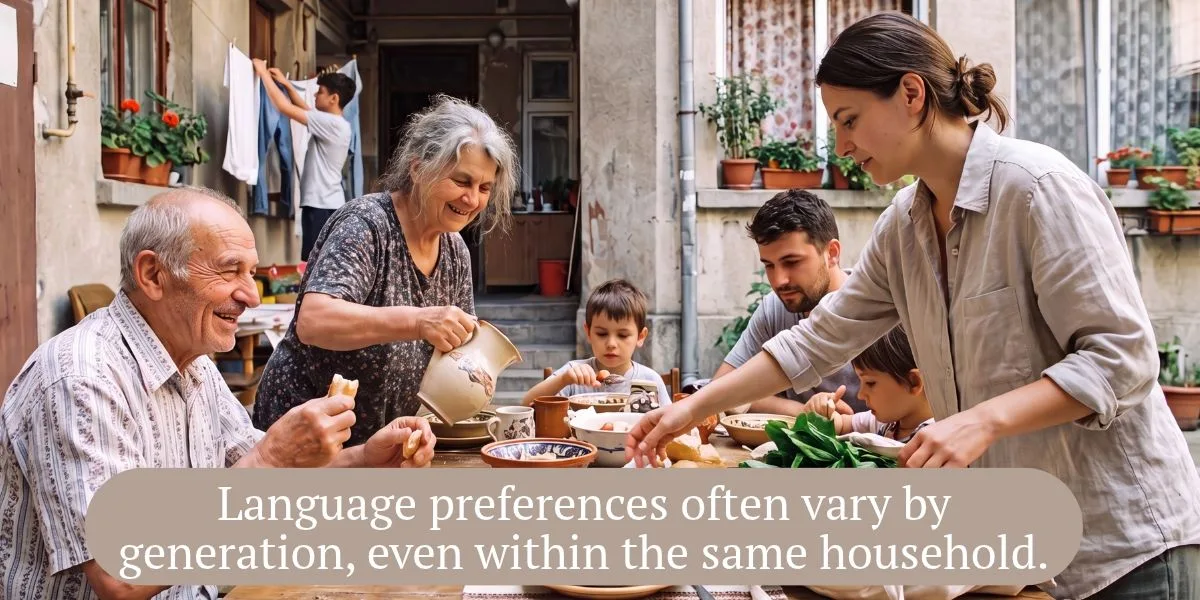
One of the most common mistakes firms make is treating the Hispanic market as a single audience with a single language preference. In reality, language use varies widely by age, birthplace, and generation.
Pew Research Center has found that English proficiency among Latinos has risen while Spanish use at home has declined, especially among those born in the U.S. At the same time, Spanish remains the primary language for many households, especially among immigrants and older adults. Earlier Pew research found that most foreign-born Hispanic adults speak only Spanish at home, while that share drops sharply among second- and third-generation adults.
What does this mean for your firm? Many prospects are fully bilingual and comfortable working in English. Others understand everyday English but prefer to discuss something as personal and stressful as an injury or a legal claim in Spanish. Some speak little or no English at all. A strong strategy accounts for all three groups by making it easy for each prospect to choose the language they are most comfortable using.
It is also important to remember that the Hispanic community is not one culture. Families with roots in Mexico, Puerto Rico, Cuba, Central America, South America, and elsewhere bring different traditions, vocabulary, and expectations. Messaging that feels authentic in Houston may need adjustment in Miami or New York.
Build a Spanish-Language Presence That Search and AI Can Find
As more consumers turn to search engines and AI tools to research legal questions, Spanish-language content has become even more important. If your firm only publishes in English, you are unlikely to appear when someone searches for terms like “abogado de accidentes de auto” or “compensación al trabajador.”
Create dedicated Spanish pages, not just translations. Machine translation can be a helpful starting point, but legal content should be reviewed by a fluent speaker who understands both the language and the legal terminology. A poorly translated page can confuse readers and damage trust.
Answer common questions in plain Spanish. Practice-area pages and FAQs that explain what to do after an accident, how a workers’ compensation claim works, or what happens during an SSD appeal help both readers and AI-driven search tools understand your expertise.
Make the language choice obvious. A clear language toggle on your website, Spanish-language phone options, and Spanish forms all signal that Spanish-speaking clients are welcome.
Apply the same advertising rules. Your state’s attorney advertising rules apply to Spanish-language marketing just as they do to English, including the requirement under ABA Model Rule 7.1 that communications not be false or misleading. Some states have additional requirements for non-English advertising, so review your jurisdiction’s rules before launching campaigns.
Spanish-Language Lead Generation Across Channels
Reaching Spanish-speaking prospects works best when your message appears consistently across the channels they already use. Spanish-language TV and streaming, paid search, social media, and digital advertising can all play a role, and coordinating them helps prospects recognize your firm when they are ready to act.
Bilingual Intake Is Where Leads Become Clients
Even the strongest Spanish-language campaign will fall short if a prospect calls your firm and cannot communicate with the person who answers. Industry observers note that while many U.S. Hispanics speak some English, a significant portion prefers to do business in Spanish.
Staff for the language your leads speak. At least one fluent Spanish speaker on your intake team, and ideally coverage during evenings and weekends, helps ensure no Spanish-speaking prospect reaches a dead end. You do not need to speak Spanish yourself, but your team needs to.
Respond quickly. Speed to lead matters for every prospect, and Spanish-speaking leads are no exception. Live call transfers can connect screened Spanish-speaking prospects directly to a bilingual intake specialist while they are still on the line.
Explain confidentiality clearly. Some prospects may hesitate to share personal details with a law firm. Explaining attorney-client confidentiality in simple terms, and walking them through what happens next, can help them feel comfortable moving forward.
Keep follow-up in the same language. If a prospect begins the conversation in Spanish, emails, texts, documents, and appointment reminders should follow in Spanish too. Switching languages midway through the process can create confusion and erode trust.
Earn Trust Through Community and Reputation
Trust is the foundation of every attorney-client relationship, and word of mouth carries significant weight in many Hispanic communities. Encouraging satisfied clients to leave reviews in their preferred language, sharing helpful Spanish-language videos on social media, and featuring bilingual attorneys or staff in your content all help prospects feel confident reaching out.
Short videos are especially effective. A bilingual attorney explaining what to do after a workplace injury or car accident, in clear, simple Spanish, can build credibility long before a prospect ever calls.

Exploring Spanish-language lead generation for your firm?
If you are considering how to reach more Spanish-speaking auto accident, personal injury, or SSD prospects, our team is happy to walk through the options that may fit your practice.
Conclusion: Meeting Clients in the Language They Trust
The Hispanic market continues to grow in size, economic influence, and legal need. For injury, workers’ compensation, and disability firms, reaching Spanish-speaking and bilingual prospects is no longer a niche strategy. It is an important part of serving the communities where your clients live and work.
Firms that succeed with this audience treat bilingual marketing as a complete system: Spanish-language content that can be found, campaigns that reach prospects where they are, clear qualification criteria, and an intake experience that feels welcoming from the first conversation. By meeting clients in the language they trust, your firm can build stronger relationships and help more people get the legal support they need.
Frequently Asked Questions
Why should law firms market to Hispanic and Spanish-speaking clients?
Law firms should market to Hispanic and Spanish-speaking clients because this is one of the largest and fastest-growing consumer groups in the United States. With more than 70 million Hispanic Americans and relatively few firms marketing effectively in Spanish, bilingual outreach can help firms connect with prospects their competitors may miss.
Do Hispanic clients prefer Spanish or English?
Hispanic clients’ language preferences vary widely depending on age, birthplace, and generation. Many are fully bilingual, while others prefer to discuss personal or legal matters in Spanish, so firms benefit from letting each prospect choose the language they are most comfortable using.
Is translating my website into Spanish enough?
Translating your website into Spanish is a good start, but it is usually not enough on its own. Effective bilingual marketing also includes Spanish-language advertising, culturally appropriate messaging, bilingual intake staff, and follow-up communication in the prospect’s preferred language.
Which practice areas benefit most from Spanish-language lead generation?
Auto accident, personal injury, workers’ compensation, and Social Security Disability practices often benefit most from Spanish-language lead generation. These practice areas serve working families and injured workers, groups that include many Spanish-speaking prospects.
Do I need bilingual staff to accept Spanish-language leads?
You need at least one fluent Spanish speaker on your intake team to accept Spanish-language leads effectively. Attorneys do not need to speak Spanish personally, but prospects should be able to communicate clearly with your firm from the first call through every follow-up.
Do attorney advertising rules apply to Spanish-language ads?
Attorney advertising rules apply to Spanish-language ads in the same way they apply to English ads. Some states also have specific requirements for non-English advertising, so firms should review their state bar’s rules before launching campaigns.