Listen to this Article
The 3-Step Process to Closing More Business
Ever had a first meeting that felt like a sure thing? Great conversation, real interest, maybe even a handshake — and then nothing. No callback. No-show for the follow-up appointment. Radio silence right before the paperwork.
It happens to good salespeople constantly, and it’s not just bad luck. In most cases, it’s a process problem, not a marketing or people problem. The good news: it’s fixable.
This three-step process helps you build stronger appointments, keep more prospects engaged between meetings, and close a higher percentage of the qualified leads you already have. Let’s get into it.
Step One: Build Real Rapport in the First Meeting
Your first meeting isn’t about your pitch. It’s about their goals.
Before you talk about products or services, get a clear picture of what the prospect actually wants and whether you’re the right fit to deliver it. That means asking questions and listening more than you talk. It also means being honest with yourself about fit. Chasing every lead to a second meeting wastes your time and theirs.
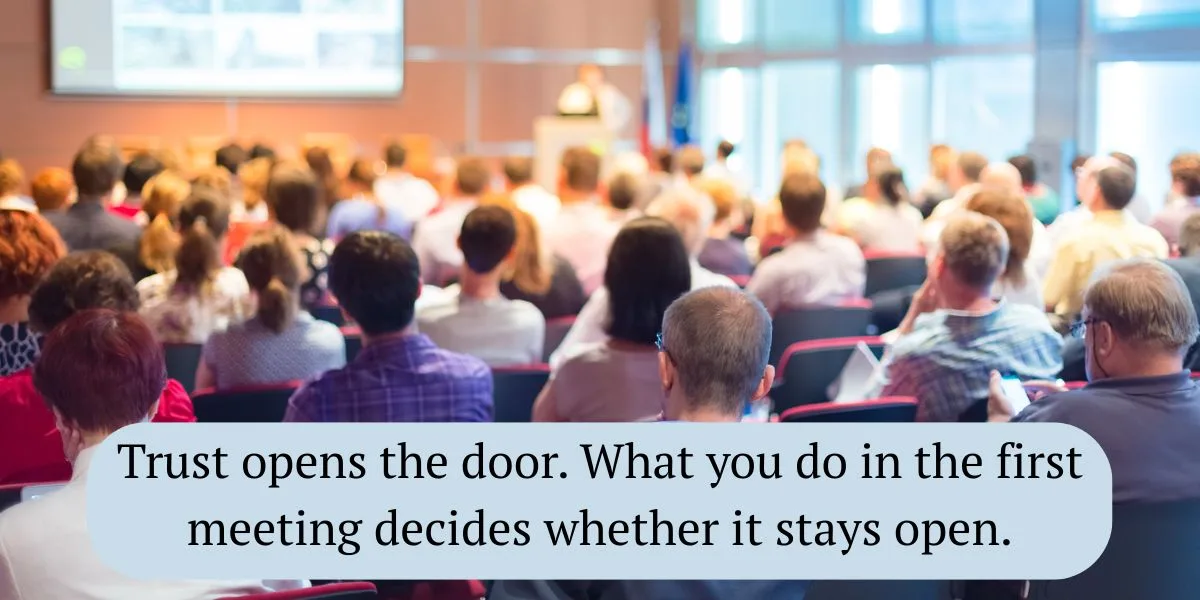
Where you meet a prospect for the first time matters too. Cold calls are still around, but they’re an uphill climb for trust-building in 2026, especially with vertical-specific audiences like retirees, injury victims, or families planning ahead. In-person and hybrid formats — seminars, educational workshops, webinars, and one-on-one appointment setting — tend to earn a warmer follow-up because the prospect has already seen your expertise in action before you ever ask for a commitment.
None of these formats compete with each other. A dinner seminar, a workshop, and a webinar all do the same core job: they let a prospect experience your knowledge and personality before the sales conversation starts. The right mix depends on your audience and market, not on which format is “better.”
Step Two: Personalize the Second Meeting
Getting a second meeting is a win. What you do with it determines whether it turns into a client.
Go back to your notes from the first conversation and build the meeting around their specific concerns, not a generic pitch deck. Personalization isn’t optional anymore. Recent research from McKinsey shows 71% of consumers now expect personalized interactions, and companies that get personalization right see meaningfully higher conversion rates than those that don’t. Prospects can tell the difference between a rehearsed pitch and a plan built around what they told you.
Use this meeting to answer the questions they raised the first time. Bring real advice, not just reassurance. This is also where a quick, thoughtful follow-up between meetings, whether a short email, a relevant article, or a text confirming details, keeps momentum going without feeling pushy. People remember who followed up and who didn’t.
Step Three: Slow Down at the Finish Line
By the time you reach the final meeting, the hard work is mostly done. Don’t rush it.
A common mistake is treating the last meeting like a formality — show up, sign, done. Instead, use it to revisit their original goals and confirm nothing has changed. Life circumstances shift fast, and a prospect whose situation changed since your first meeting needs to hear that your plan still fits them, not just get handed a pen.
Once both sides are genuinely ready, sign together and treat it as the milestone it is. Then keep going. Retention is more cost-effective than new client acquisition, so the relationship-building that got you here should continue well after the paperwork is signed.
Free Download: Close More Business in 2026
Building rapport is step one — but knowing exactly who to build it with is what makes the rest of this process work. Our free guide walks you through the ideal client worksheet to identify your highest-value prospects, a Goal-Setting Worksheet to sharpen your targets, and practical techniques for improving conversion at every stage.
Turning This Process Into Consistent Results
Closing more business isn’t about one clever tactic. It’s about a repeatable process that respects how people actually make decisions. Build trust first. Personalize the middle. Don’t rush the end.
The salespeople who close consistently aren’t the ones with the flashiest pitch — they’re the ones who show up prepared, listen more than they talk, and treat every meeting as a checkpoint instead of a finish line. Run this process on repeat, and closing stops feeling like a chase and starts feeling like the natural next step in a conversation you’ve already earned.
Updated for 2026 with current data and insights to reflect how today’s top performers build trust, personalize follow-up, and close more consistently.